


These incubators are designed to preserve and maintain viability of biological tissue slices (e.g., brain, retina) for research applications. They support controlled environmental conditions, improve tissue health, and extend experimental windows for recordings, imaging, and biochemical assays.
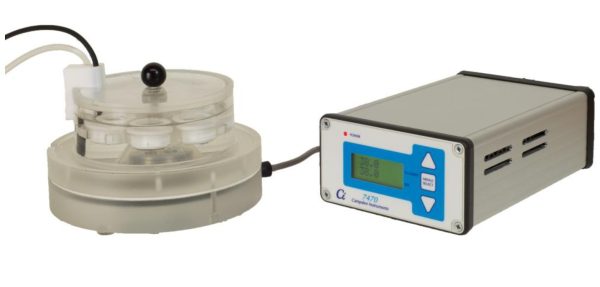
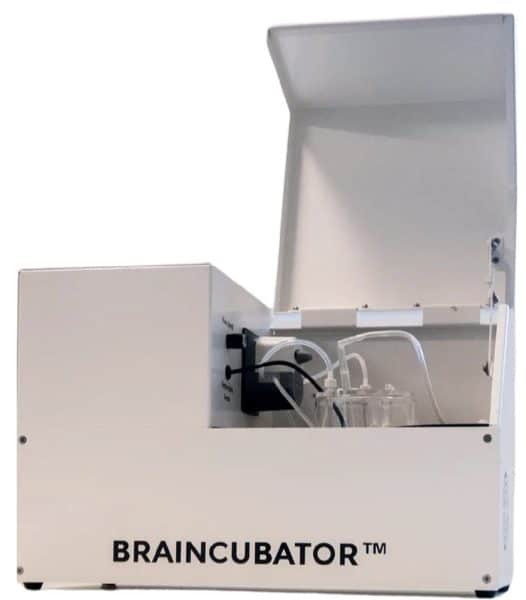
These are laboratory devices designed to maintain thin biological tissue slices in controlled conditions (temperature, gas supply, fluid environment), preserving their viability for hours to days for research.
Tissue slices can deteriorate quickly if not maintained at physiological temperatures and stable solution conditions. Controlled incubation reduces stress, contamination, and metabolic imbalance.
Commonly brain and retina slices, but also other neural or organ tissues where maintaining functional properties outside the organism is critical.
Advanced systems like the Braincubator™ can support tissue viability for significantly extended periods compared to traditional methods (sometimes >24–30 hrs) to enable complex experiments.
Yes. Incubation systems provide stable conditions suitable for intracellular and extracellular electrophysiology as well as time-lapse and high-resolution imaging studies.
Because tissue viability is extended and multiple experiments can often be completed from one preparation, the total number of animals needed may be reduced.

Our dedicated team has years of industry and laboratory experience.
From complex technical challenges to tailored product recommendations,
our application scientists are ready to support your needs with hands-on expertise.